Geresdlak is also known as the “village of exhibitions”. Its permanent attractions include the Gingerbread Village, the Doll House, the village museum, the Koffán House, and exhibitions of woven textiles, needlework and headscarves. The Roman Catholic church, consecrated in 1828 in honour of Saint Paul the Hermit, is one of the village’s central buildings. Traces of the Finnish presence also appear in the village itself — from the saunas to the bilingual street signs.
The exhibitions can be visited by prior arrangement.
Municipality of Geresdlak and German Minority Self-Government
Tel.: +36 69 349 101
7733 Geresdlak, Hunyadi János utca 22.
By prior arrangement, using the contacts above.
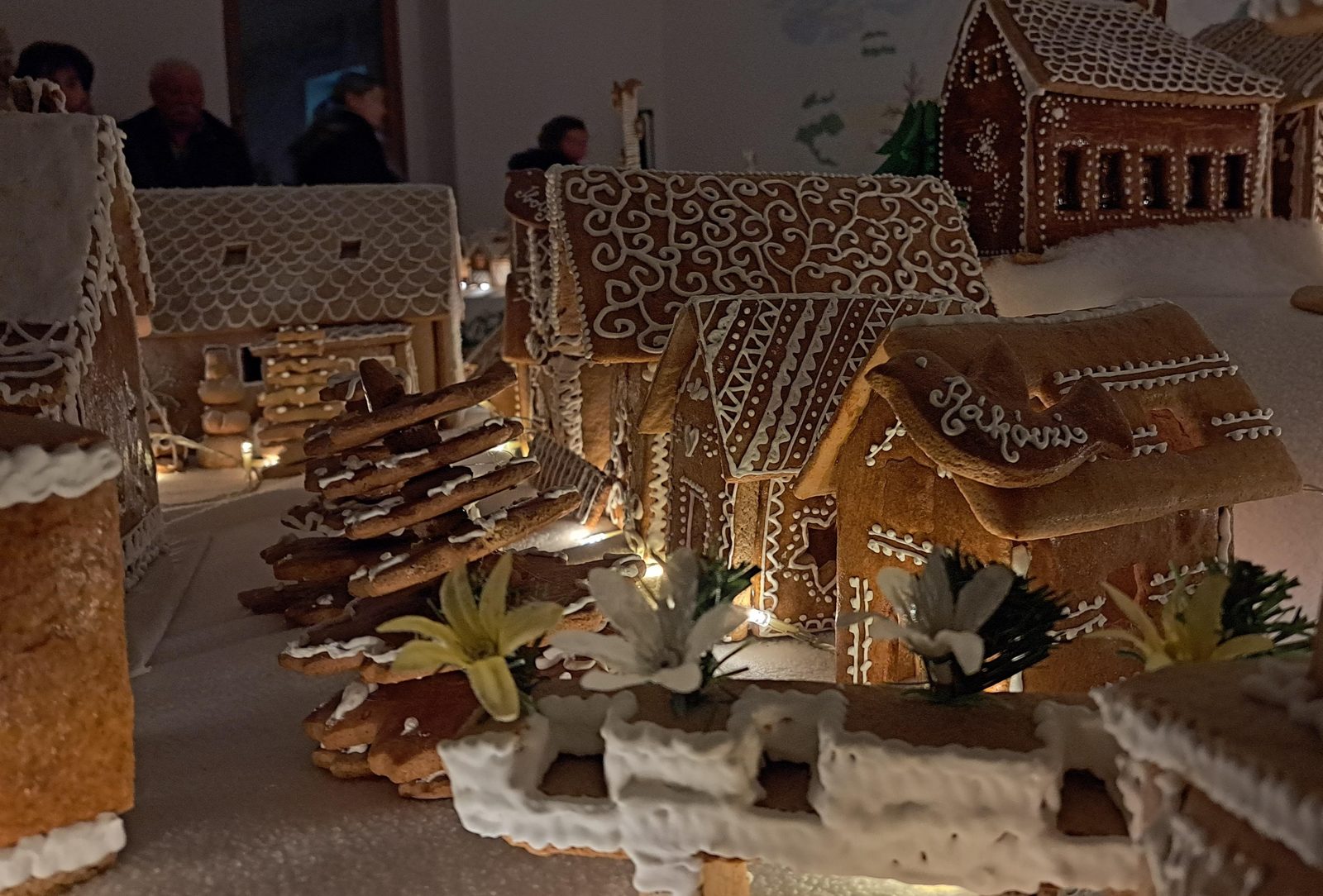
The gingerbread exhibition is one of Geresdlak’s best-known and most distinctive sights. The works on display are not merely finely made gingerbread buildings, but a unique presentation of the village’s history, traditions and community spirit.
Houses, streets and characteristic buildings shaped from gingerbread faithfully recall the face of the village. Making them takes patience, skill and affection: every small detail is the result of long hours of work and a commitment to the settlement.
The exhibition’s special value is that it was created through the cooperation of local people, so it is not only a striking craft display but also a symbol of belonging in Geresdlak. The Gingerbread Village shows how traditions can be passed on in a creative way, and how a simple material can become a cultural treasure.
7733 Geresdlak, Hunyadi János utca 52.
By prior arrangement, using the contacts above.
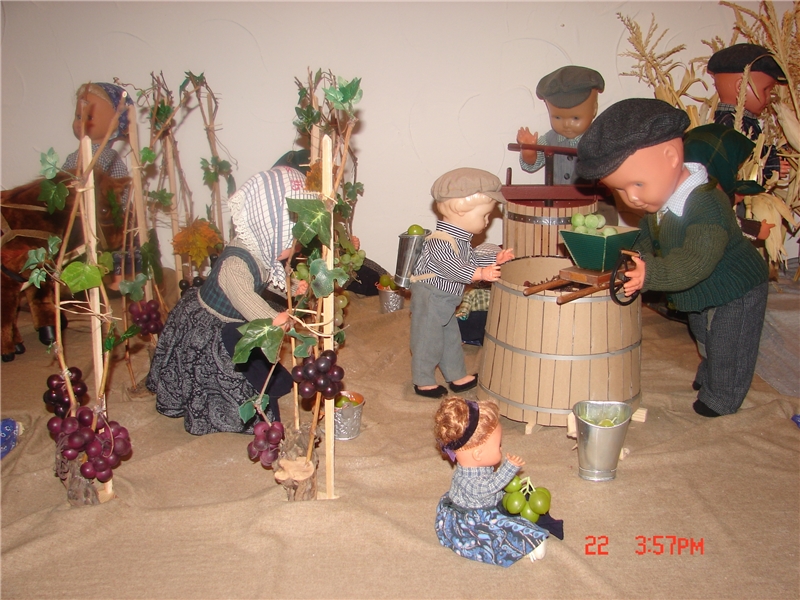
The Doll-Sewing Circle was founded in 2007 to record the disappearing local folk costume and customs of Geresdlak. They wanted more than a simple doll display. Beyond making and presenting the dolls and costumes, they wished to bring back snapshots of former village life — in part scenes from their own childhood and youth.
7733 Geresdlak, Flórián utca 13.
By prior arrangement, using the contacts above.
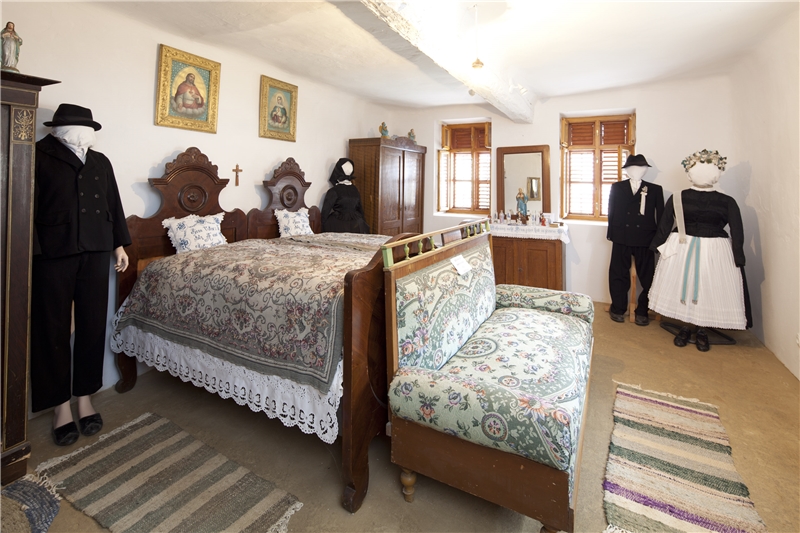
The village museum of Geresdlak is a typical Swabian farmhouse built in the twentieth century. Furnished from donations by local people, the house preserves the memory of German homes through furniture, household objects and needlework true to the past.
At the back of the house are the stable and the barn. The barn displays machines and tools used in agricultural work.
7733 Geresdlak, Dózsa György utca 46.
By prior arrangement, using the contacts above.
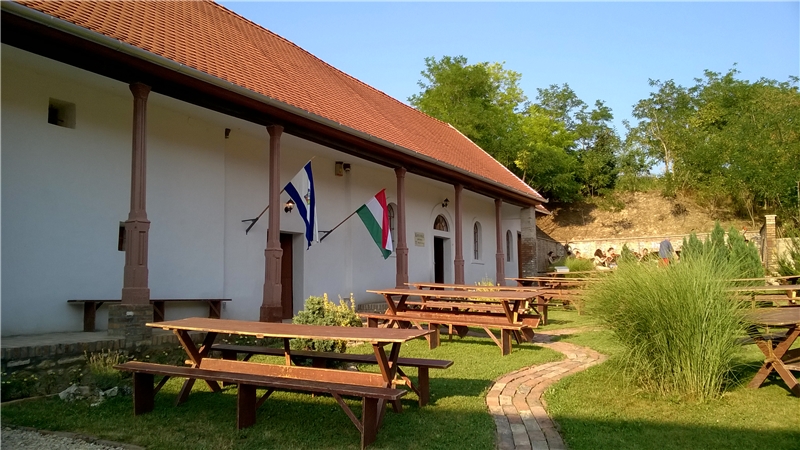
Károly Koffán (Geresd, 17 October 1909 – Budapest, 9 November 1985) was a painter, graphic artist, puppeteer, ornithologist and photographer. The polymath’s former birthplace had fallen into such a state that it was no longer worth restoring. Through a grant, a former two-storey granary and horse stable in the middle of the village were reborn as the Koffán House for the artist’s 100th birthday.
7733 Geresdlak, Hunyadi János utca 22.
By prior arrangement, using the contacts above.
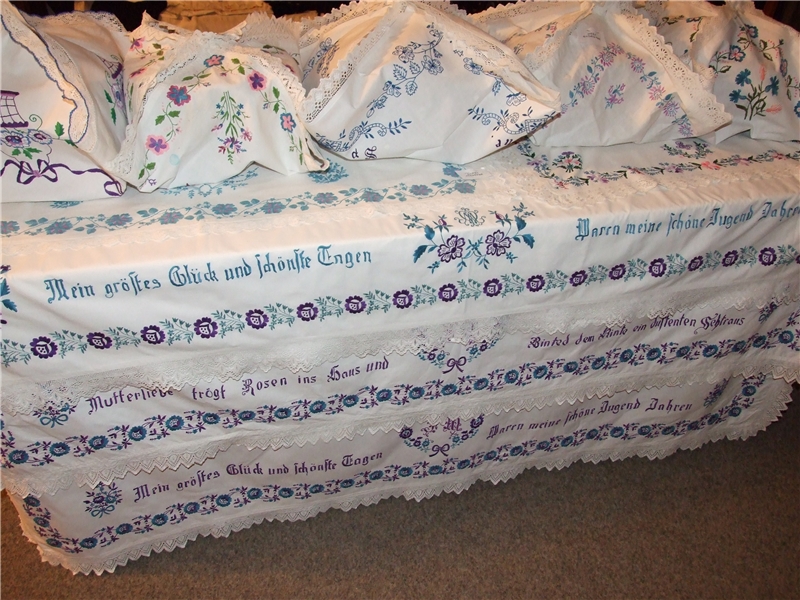
This exhibition reflects the thinking and way of life of the first half of the twentieth century, and its material offers a glimpse into the lives of our parents and grandparents. The needlework served homes as both useful and decorative objects.
Among nearly two hundred pieces, no two are alike. Their uniqueness is underlined by the “calling card”, the ornate monogram that is also a distinctive feature of Swabian embroidery.
7733 Geresdlak, Hunyadi János utca 19.
By prior arrangement, using the contacts above.
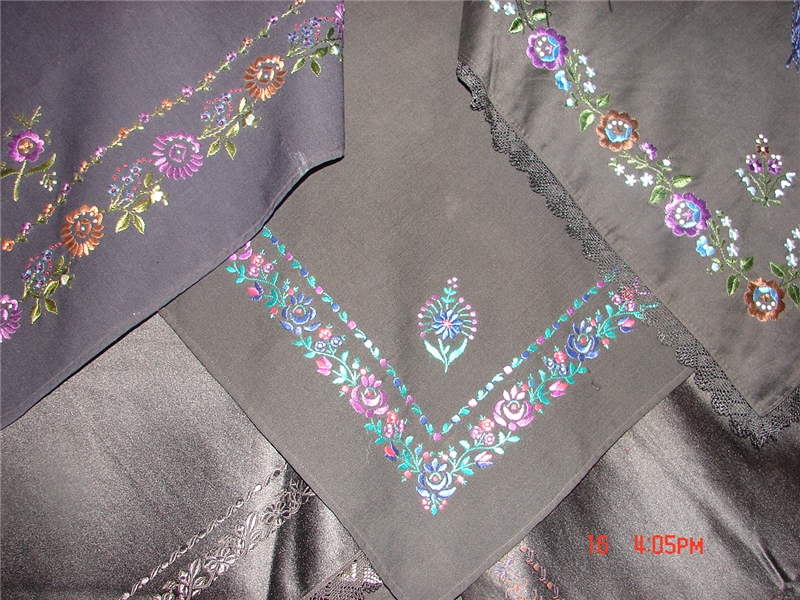
The headscarf has always been an important part of Swabian folk costume. The scarves on display are typical of the Geresdlak costume, and were worn by the Swabian women living here until the 1970s.