where traditions meet
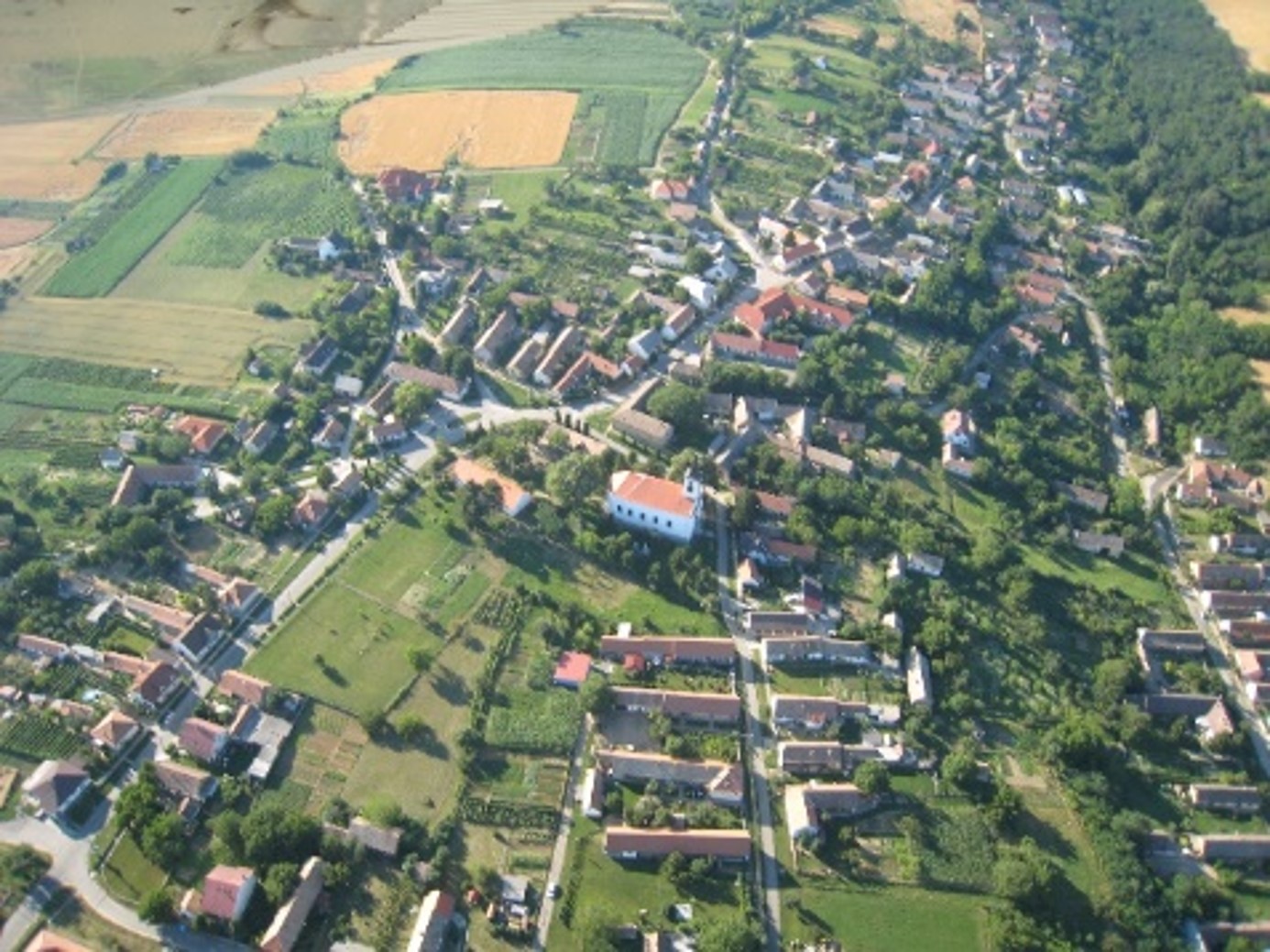
Geresdlak is a village in Baranya County, set in the scenic Geresd Hills. Alongside its natural beauty, it is known for its cultural diversity and a close-knit community.
The village as it is today took shape when Geresd and Püspöklak were united. For centuries its story was shaped by agriculture and a close relationship with the land, while its people have always placed great emphasis on keeping and passing on their traditions.
German, Swabian heritage is a defining part of the village’s cultural legacy. German settlers who arrived here enriched the village with their language, customs, food and way of life. These values are still present in family stories, festive customs, traditional dishes and community events.
From the 2000s a new cultural connection began to take shape: more and more Finnish families chose Geresdlak as their home. Newcomers from Finland brought a fresh colour to community life, while remaining open to local traditions. The meeting of Finnish and Hungarian culture shows that tradition is a living, continually developing value — one that can welcome new influences while keeping its roots.
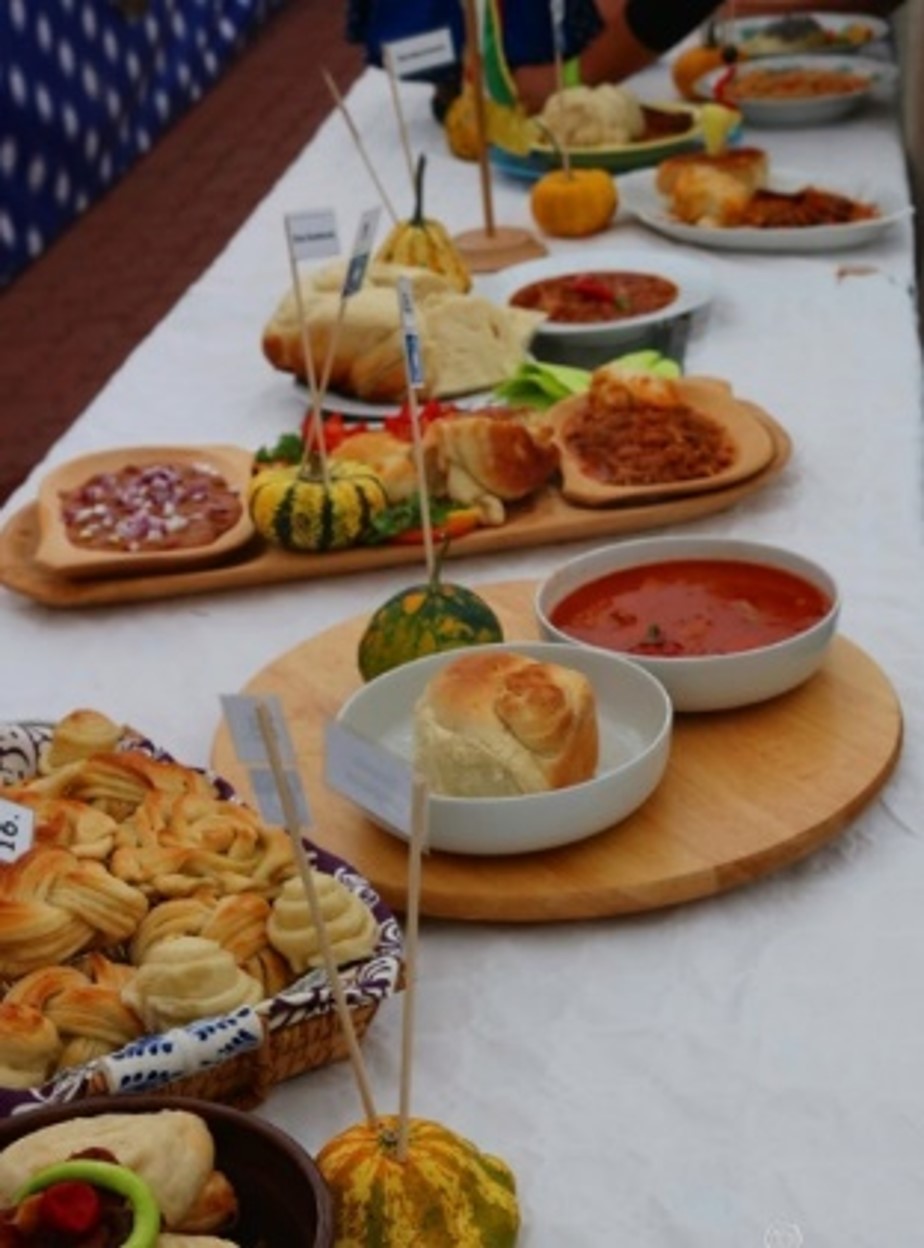
The village’s best-known event is the Dumpling Festival, which draws many visitors every year. At its heart is the steamed dumpling, a favourite of Swabian and Central European cooking, but the festival is also a community gathering. Alongside the food, cultural performances, music, craft demonstrations and other events await visitors, showing how a tradition can become the symbol of a whole village’s sense of belonging.
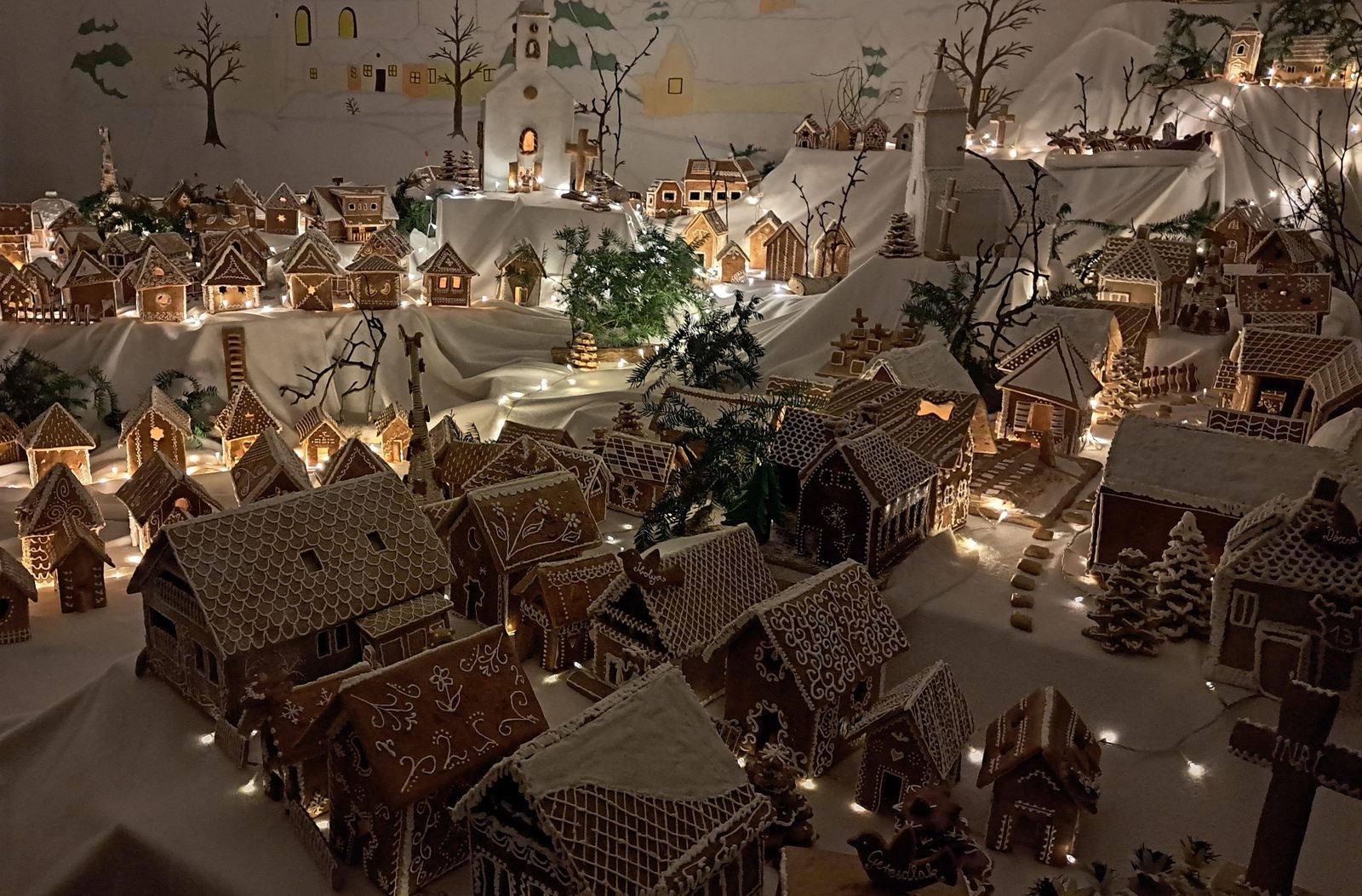
Another distinctive attraction is the Geresdlak gingerbread village, a symbol of local community effort. The buildings and streets made of gingerbread recall the village’s history and built heritage; making them takes a high degree of cooperation and craft skill.
In Geresdlak, keeping tradition is still a living cultural process. Swabian heritage, Finnish connections, culinary traditions and community events together make the village a distinctive presence in the cultural life of Baranya. Geresdlak shows that a small village can also be a guardian of significant cultural values, where respect for the past, the meeting of different cultures and the strength of a close community together shape the present and the future.
“Tradition is not the preservation of the past, but the building of the future.”